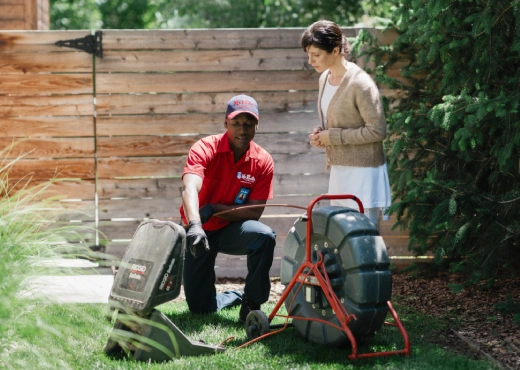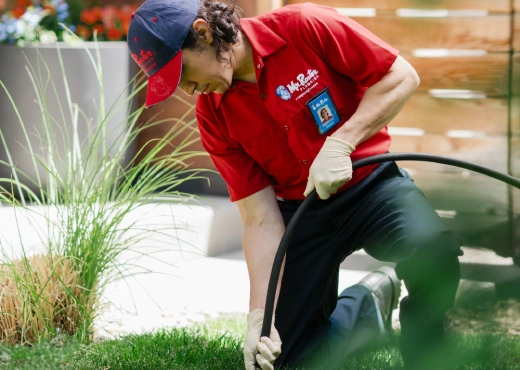
Scarborough has some of the oldest housing stock in the Toronto metro, and that history shows up in the plumbing. Post-war bungalows built between the late 1940s and mid-1960s in areas like Clairlea, Wexford, and Ionview typically have clay sewer laterals running from the house to the city main. Clay pipe holds up reasonably well for decades, but it relies on tight bell-and-spigot joints to stay watertight. Freeze-thaw cycles shift the soil around those joints every winter, opening hairline gaps that tree roots find within a season or two. Once roots establish inside a clay lateral, they grow toward the water and break the pipe wall apart from the inside. A single root intrusion caught early on camera is a pipe relining job. Left alone for a few winters, it becomes a full sewer line replacement.
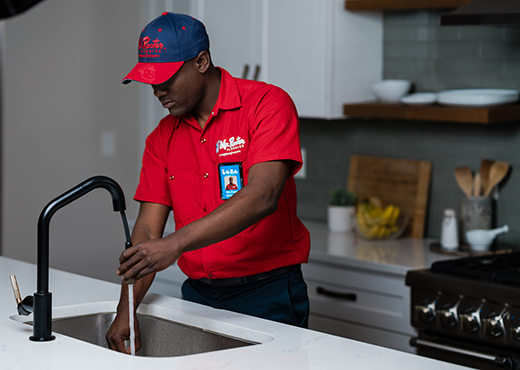
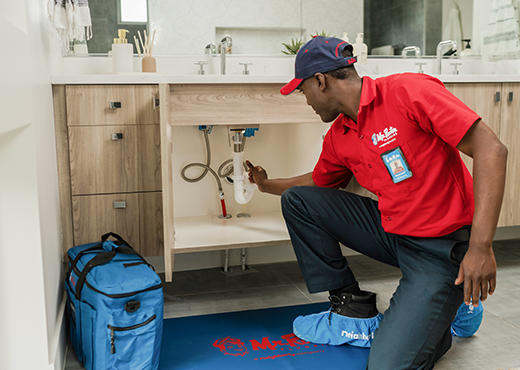
Cast iron drain stacks inside older Scarborough homes corrode differently. The pipe degrades from the inside out as wastewater corrodes the iron over decades. Rust scaling builds up on the pipe wall, narrows the drain diameter, and eventually causes chronic clogging that snaking won't permanently fix. A drain snaking service will clear the blockage, but a camera inspection will show whether the pipe wall is thin enough to warrant replacement as the smarter long-term call.
Newer homes in Scarborough aren't immune either. Properties built or substantially renovated between the mid-1970s and mid-1990s may have galvanized steel supply lines or Kitec plumbing fittings, both of which can cause ongoing maintenance issues and indirectly affect drain performance. If your home is within that build window and you're experiencing recurring drain problems or water pressure issues, it's worth having the entire system assessed.